
Automatic language translation
Our website uses an automatic service to translate our content into different languages. These translations should be used as a guide only. See our Accessibility page for further information.
Tips for conversations, staying safe online and encouraging resilience.
How to have safe and proactive conversations surrounding extremism and your children.
Step Together’s Values-Based Conversation Tools are designed for parents and carers who want to foster meaningful discussions with their children or the young people they support.
These resources use a set of values cards and conversation starter cards to help guide family conversations, making it easier to connect, explore personal and shared values, and encourage open and respectful communication at home.
Explore practical tips and trusted guidance to help parents and carers navigate challenging conversations and stay connected with their teens.
Explore Step Together’s resources designed to help you understand violent extremism. From expert insights to practical guides, podcasts and webinars, find the knowledge and support you need, all in one place.
Explore expert advice and research on digital safety.
Provides trusted advice and tools to help parents and carers keep children safe online.
Access support and information to help you navigate challenges and strengthen your child’s wellbeing. Below are organisations offering practical resources, advice and services for parents and carers.
Worried about your teen? You’re not alone.
Every family faces challenges, and support is available to help your child feel heard and understood.
“Ollie’s actions had a catastrophic effect on our family. It is a terrible thing to have to go through, and I would not wish anyone else to go through this process at all… Ollie’s interest in extremism was primarily driven by the lockdowns and the vaccine mandates…What made Ollie vulnerable at the time was a lot of homeschooling
…. I recognised that I couldn't help Ollie, but perhaps someone else could… ESP (Engagement and Support Program) is the thing that you can grab on to when you're drowning… I can't recommend it highly enough. You've got nothing else to lose. I think it's definitely worth giving ESP the chance to help.”
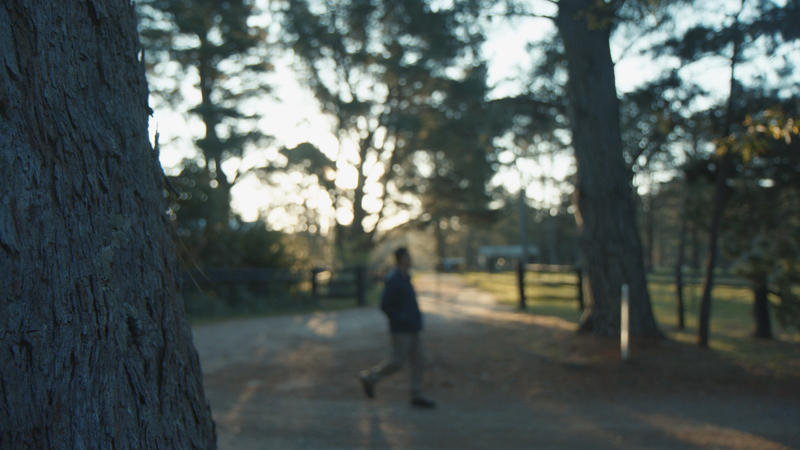
Learn more about how the Engagement and Support Program provided critical support for Stuart and his son Ollie, after Ollie was radicalised online.
Learn more about how the Engagement and Support Program provided critical support for Stuart and his son Ollie, after Ollie was radicalised online.
Transcription - Stuart
(man walks along country gravel drive and then sits at outside table under a tree)
Stuart voice over: Ollie’s actions had a catastrophic effect on our family. It is a terrible thing to have to go through, and I would not wish anyone else to go through this process at all.
Text on moving image: ESP SPOTLIGHT: STUART
Text on black slide: Stuart’s son became vulnerable to violent extremism during COVID-19. This is his story.
(montage of man sitting at outside table, close up of hands, walking around country property)
Ollie didn't have the easiest childhood, during school there were bullying issues. He didn't necessarily get on that well with some of his classmates. Some of the teachers. He wasn't troubled but school was difficult.
Ollie was quite an independent thinker. And he would voice his opinion and that quite often led to him being ostracised by teachers and other students. Ollie’s interest in extremism was primarily driven by the lockdowns and the vaccine mandates. Being forced to do something that he didn't agree with was probably the thing that pushed him down this path.
What made Ollie vulnerable at the time was a lot of homeschooling. Both parents had to work outside the house. And as a consequence, he was left at home on the internet.
(montage of a teen on a mobile phone, man sitting at outdoor table with hands folded, country property driveway, slow motion man walking on property, looking up at tree branches, country scenes)
A child can be sitting there in front of you in a living room, and if they've got the screen away from you, you can't actually see what they're doing. They can be communicating and chatting with someone else and sharing images and sharing all sorts of things that they shouldn't.
Ollie was under the mistaken belief that you could go to a private chat site and was shocked that someone else could take offense in what he believed was a private room. There are no private rooms on the internet.
Any time that you communicate or share something, it's recorded. It never goes away. And you are potentially committing an offense.
So on the day of the law enforcement activity the first thing I was aware of was the doorbell rang. I opened the front door. I had a piece of paper thrust in my face, and 12 people came into my house and they isolated all of us. They spent the next 12 hours taking apart all the devices and they forensically downloaded every single file on that computer.
They also went through the computer to find anything that they thought may be offensive.
My wife was upset beyond belief. My daughter was traumatized by the process. It took a significant period of time for the resolution and the end of it to occur. It was just devastating.
(montage of hands folded on outside table, country setting sun through trees, pond water on country property, close up of mans mouth talking, walking by pond, walking and sitting by the pond on a chair)
He was extremely stressed, extremely concerned. I could see that it was a real struggle for him every day, to cope with the unknown, the pressure. He was in a really very bad place. I recognised that I couldn't help Ollie, but perhaps someone else could.
The work that ESP has done with Ollie has been very, very powerful. Very encouraging to become social, to have friends and to be busy and not to be online. That's the big thing, is to actually physically be present with other people.
And also to give some guidance about what not to do and how to if they want to turn their life around and stay out of trouble. Without ESP Ollie definitely would not have made the progress that he's had. I think it's been very, very important.
(montage of over shoulder shot, blurred side on shot of man sitting on chair, folded hands close up, skimming stones on a body of water, man and teen standing by water skimming stones)
Ollie has gained a position with a significant company and that gave him confidence to stick with his goals and to improve his life.
ESP is the thing that you can grab on to when you're drowning. Knowing that we can contact someone who understands what's going on because it's a very isolating process to go through this. It's not something that you want to talk about with anyone else.
For most people, they're completely unaware of how this works. In reality, they're unaware that their child may have been subject to predatory behavior. They get it, and they understand
I can't recommend it highly enough. You've got nothing else to lose. I think it's definitely worth giving ESP the chance to help.
Text on black slide: Contact ESP on: 1800 203 966
esp@dcj.nsw.gov.au
End of transcript.
Last updated:

The Department of Home Affairs and the NSW Department of Communities and Justice acknowledges the Traditional Custodians of Country throughout Australia and their continuing connection to land, sea and community. We pay our respects to all Aboriginal and Torres Strait Islander peoples, their cultures and to their Elders past and present.

What's this? To leave this site quickly, click the 'Quick Exit' button. You will be taken to www.google.com.au